Prime Minister May’s Presidential Style


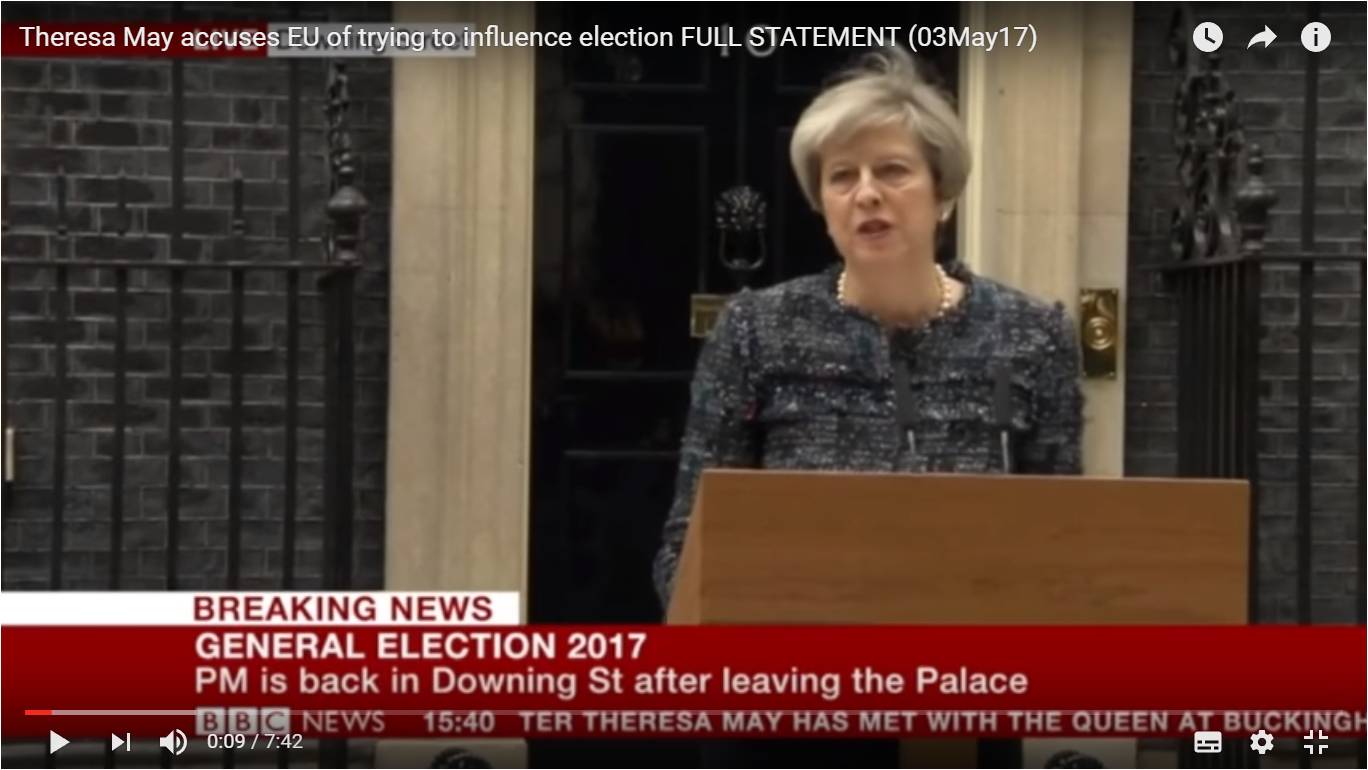
On 3 May 2017, British Prime Minister Theresa May made a statement outside Number 10 Downing Street to mark the start of the general election, for which Britons will go to the polls on 8 June.

The 56th Parliament of the United Kingdom has dissolved in accordance with the Fixed-Term Parliaments Act, 2011. The proclamation promulgated on 25 April 2017 merely recognizes that the Fixed-Term Parliaments Act itself caused parliament to be dissolved and that Prime Minister May only advised the Queen to formally summon the next parliament:

“We in pursuance of section 2(7) of the Fixed-term Parliaments Act 2011, on the advice of Our Prime Minister, do hereby appoint Thursday the 8th day of June 2017 as the polling day for the next parliamentary general election.”[1] 

The British Prime Minister and Queen no longer play any role in promulgating dissolution into force; only the Fixed-Term Parliaments Act itself now does so.

Continue reading

Posted in Fixed-Date Elections | Leave a comment

Harjit Sajjan and the Architecture of Ministerial Responsibility


“The Architect” from The Matrix: Reloaded (2003)

Introduction

A controversy has erupted around Harjit Sajjan, Minister of National Defence and a retired Lieutenant-Colonel in the Canadian Army who served three tours of duty in Afghanistan, over remarks that he made in a speech to the Observer Research Foundation in New Delhi on 18 April 2017. The theme of the Observer Research Foundation’s conference was “Conflict Prevention and Peacekeeping.” At the 17-minute mark, Sajjan referred to himself as “the architect of Operation MEDUSA”:

“I’m no stranger to conflict. […] On my first deployment to Kandahar in 2006, I was kind of thrown into an unforeseen situation, and I became the architect of an operation called Operation MEDUSA, where we removed about 1,500 Taliban fighters  off the battlefield. And I was very proud to be on that main assault. […] But even though I was recognized for my efforts, there’s one question that always nagged me: how did the Taliban become so large after the defeat in 2001? So, it turns out that we did not address the root cause of the original problem that brought them to rise.”[1]     

The website of the Department of National Defence also includes the Minister’s prepared remarks and asks “please check against delivery.” The text of these prepared remarks says: “On my first deployment to Kandahar in 2006, I was the architect of Operation MEDUSA where we removed 1,500 Taliban fighters off the battlefield…and I was proudly on the main assault.”[2]

Sajjan apologized for having characterized himself as “the architect” of Operation Medusa in a post on Facebook on 29 April.[3] He issued another apology in the foyer of the House of Commons on 1 May, saying: “I would like to apologise for my mistake in describing my role. I would like to retract that, and I’m truly sorry for it.”[4]

Continue reading

Posted in Individual vs Collective Ministerial Responsibility, Responsible Government | 2 Comments

You Can Now Watch the Liberals Expunge Dominion Day from Canadian History


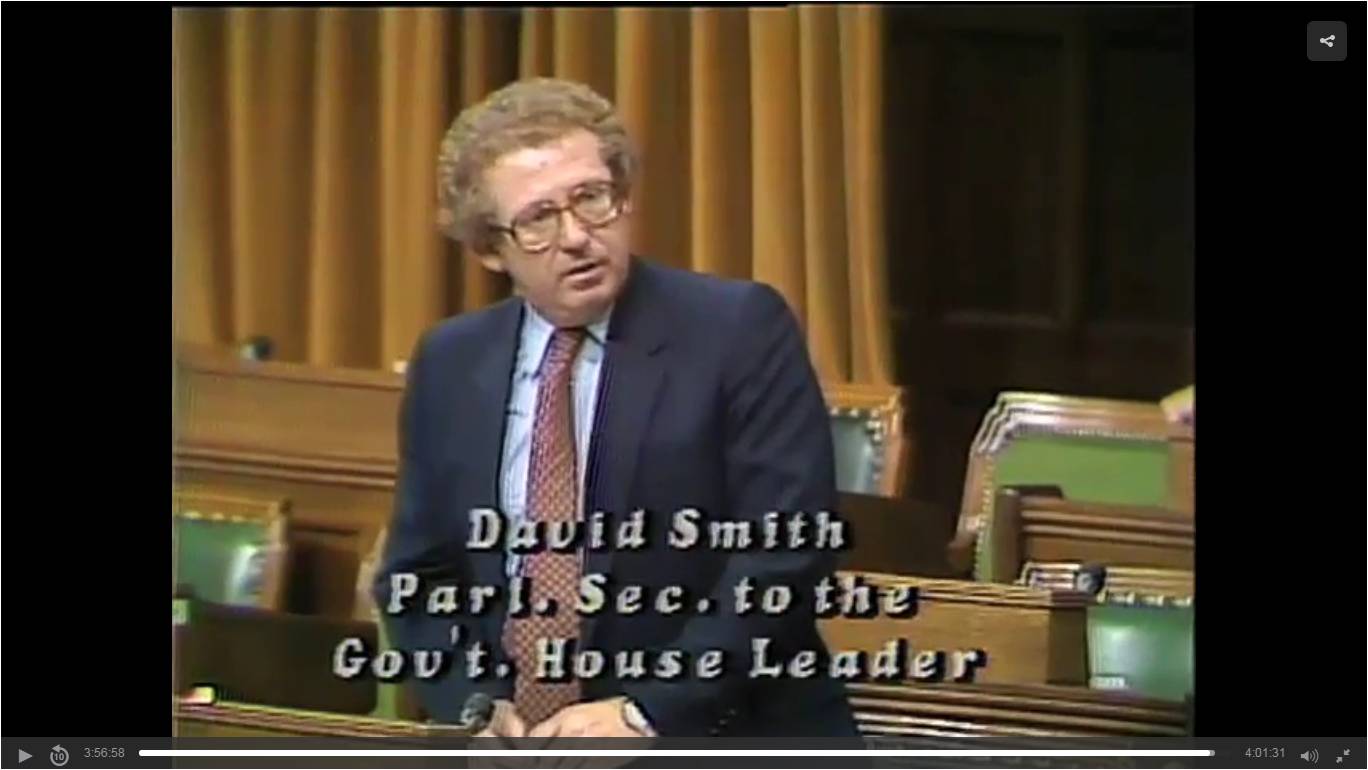
David Smith, Destroyer of Dominion Day, Brought Down Goliath

CPAC has recently done Canadians a great public service by uploading all the video footage of the proceedings of the House of Commons from its debut in October 1977 to present.

As such, we can now see for ourselves how the Liberals purged Dominion Day from our history.  The damage begins at 3:55.00 in this video chronicling the proceedings from 9 July 1982.

CPAC provides the following summary of that day’s proceedings:

“The House quickly completes the second reading, in-committee review, and third reading of Bill C-201, a bill to amend the Holidays Act to replace Dominion Day with Canada Day; participating in the debate are Hal Herbert, David Smith, and Mark Rose.”

That’s putting it mildly. Indeed, the House “quickly completed” all stages of debate, minus First Reading, in only 5 minutes. Worse still, the Commons lacked quorum when it did. The video makes it so much worse.

The video shows what the Debates do not record: namely, the haplessness of  Deputy Speaker Lloyd Francis (Liberal MP for Ottawa-West), who didn’t seem to understand how to preside over the proceedings and simply parroted whatever the clerk whispered to him.

Incidentally, Standing Order 28(1) of the House of Commons still refers to the holiday on 1 July as “Dominion Day.” I wouldn’t be surprised if the Trudeau II government introduced a motion to the Procedure and House Affairs Committee to scrub that overlooked vestige of Dominion Day from history, too. The other two vestiges of the Dominion of Canada that have escaped notice are the Dominion Sculptor and the Dominion Carillonneur.

Continue reading

Posted in Dominion Day, Dorchester Review, History of British North America | Leave a comment

Jacob Rees-Mogg and Jeremy Corbyn Expose the Futility of the Fixed-Term Parliaments Act


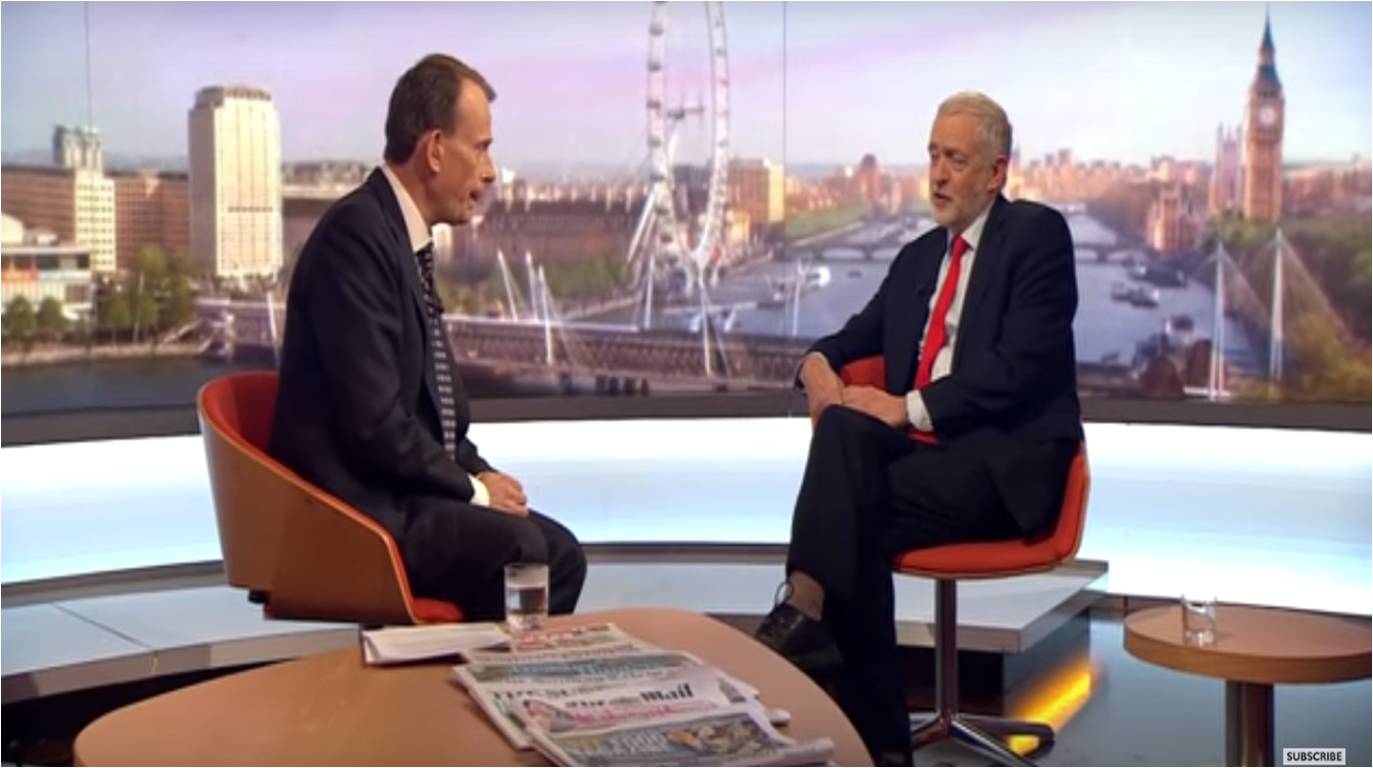
Andrew Marr Interviews Jeremy Corbyn

Sometimes nerdy political historians and political scientists could be accused of enjoying political shenanigans or borderline constitutional crises, like the Prorogation-Coalition Controversy of 2008, because they’re “interesting.” They are indeed interesting. But they are, more importantly, instructive and revealing.

Continue reading

Posted in Dissolution, Fixed-Date Elections | 1 Comment

Historical Resources on the Proceedings of the House of Commons and Senate


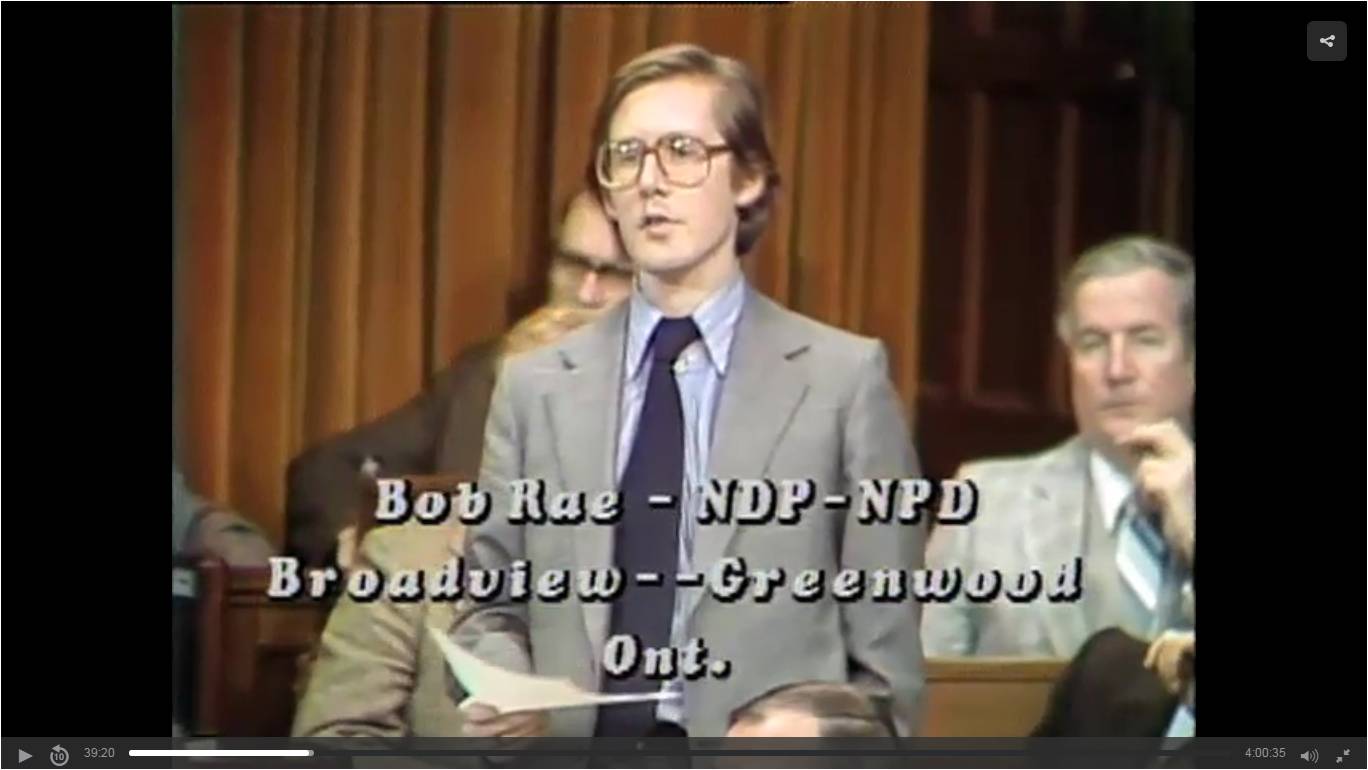
Bob Rae on 12 December 1979

Recently, two excellent historical resources on the proceedings of the Parliament of Canada have become readily available online. Many of you would join me in finding them useful and interesting.

Continue reading

Posted in Parliament, Traditions and History | Leave a comment