Some of you might be interested; some of you might not. The JPPL published an updated version of the paper that I first presented back in May 2017 at the Université de Montréal’s “Constitution at 150” conference.

Some of you might be interested; some of you might not. The JPPL published an updated version of the paper that I first presented back in May 2017 at the Université de Montréal’s “Constitution at 150” conference.
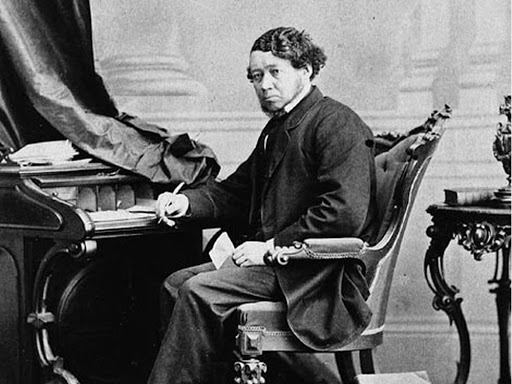
The Dorchester Review has just published my piece detailing how Thomas D’Arcy McGee advocated between 1858 and 1864 establishing a new branch of the Royal House of Saxe-Cobourg and Gotha in the Kingdom of Canada, with a separate line of succession, as a vice-royalty.
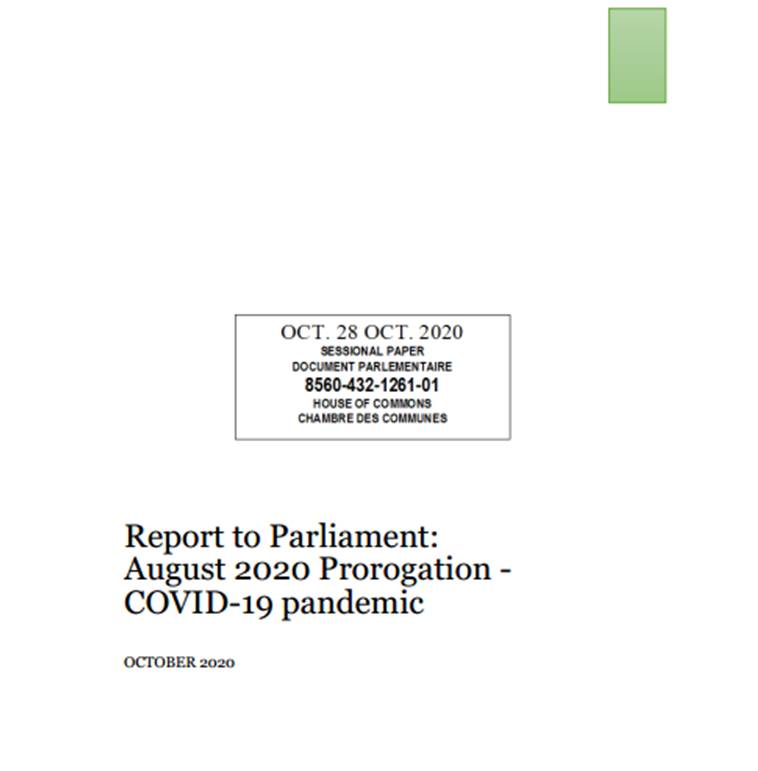
PROC decided to study the Retroactive Prorogation Rationale (Sessional Paper 8560-432-1261-01_e) in 2020 after all. Committees tend not to update the official transcripts (Evidence) until two weeks later, so I misinterpreted and missed some of these developments last month by going off the Minutes alone.
On Thursday, 10 December, PROC invited four university professors – Kathy Brock, Philippe Lagassé, Barbara Messamore, and Daniel Turp – to appear remotely as witnesses and speak to the first Retroactive Prorogation Rationale released under the new Standing Order 32(7). PROC has not made the official Evidence public yet, so I’m taking this dialogue from Parl Vu and translating remarks from French into English where necessary.
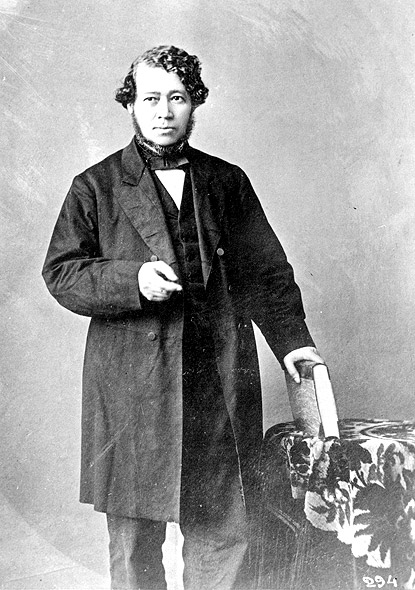
The Dorchester Review will soon publish my piece on Thomas D’Arcy McGee and the Kingdom of Canada. In anticipation of that article, I would like to share with you the section that I had to cut early on in the drafting. But like the deleted scene of a film that went through post-production, it is complete with respect to the rest of the upcoming article; it should even mostly stand on its own, too.
Sometimes I forgot to follow up on these developments right away, and the obscura and minutia on which I normally focus here on Parliamentum usually goes unreported in the press, too. The House of Commons Standing Committee on Procedure and House Affairs (PROC) has taken steps to bury the Trudeau government’s Retroactive Prorogation Rationale, tabled and referred to PROC under the new Standing Order 32(7), and delay any study on it at all until at least January 2021 – and probably never. The whole idea of forcing the government to table a rationale for the previous prorogation retroactively in the next session never lent itself to anything productive or substantive, but I would have been curious to see what, if anything, PROC did in response.

