Some of you might be interested; some of you might not.

Introduction
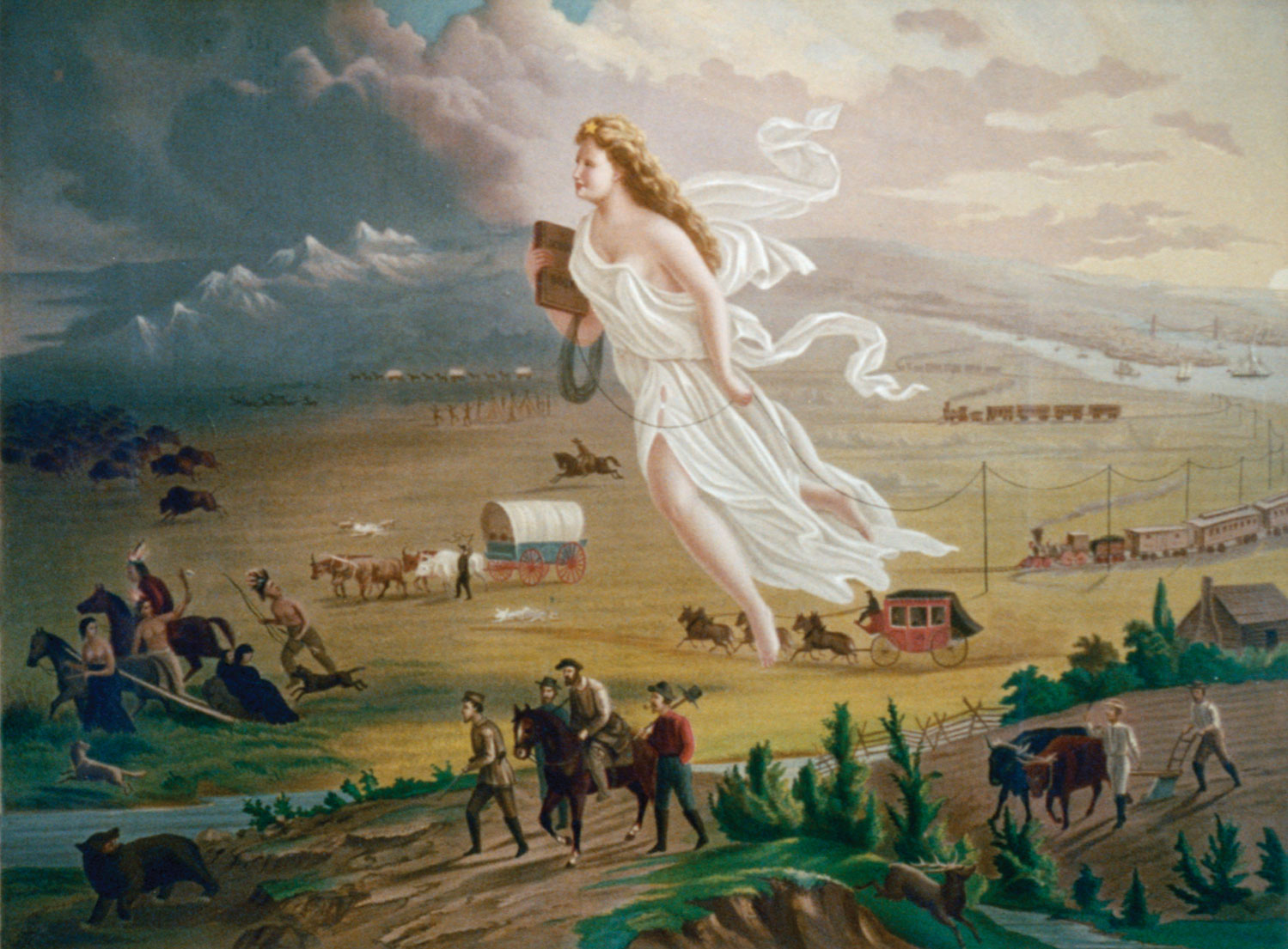
The American Civil War captured the rapt attention of our Fathers of Confederation during the Confederation Debates in 1864 and 1865, and the prospect of another American invasion into Canada (a repeat of the War of 1812), as remote as it might have been, and the Fenian incursions into New Brunswick in 1866 spurred the British North American colonies to unite into one federation for their common defence. Thomas D’Arcy McGee, who had lived in Boston for several years before settling in Montreal in 1857, warned repeatedly that the most committed American Manifest Destinarians had long set their sights on Canada. George Brown, who had also spent some time in New York before settling permanently in Toronto, similarly warned that the United States would annex Rupert’s Land and British Columbia.
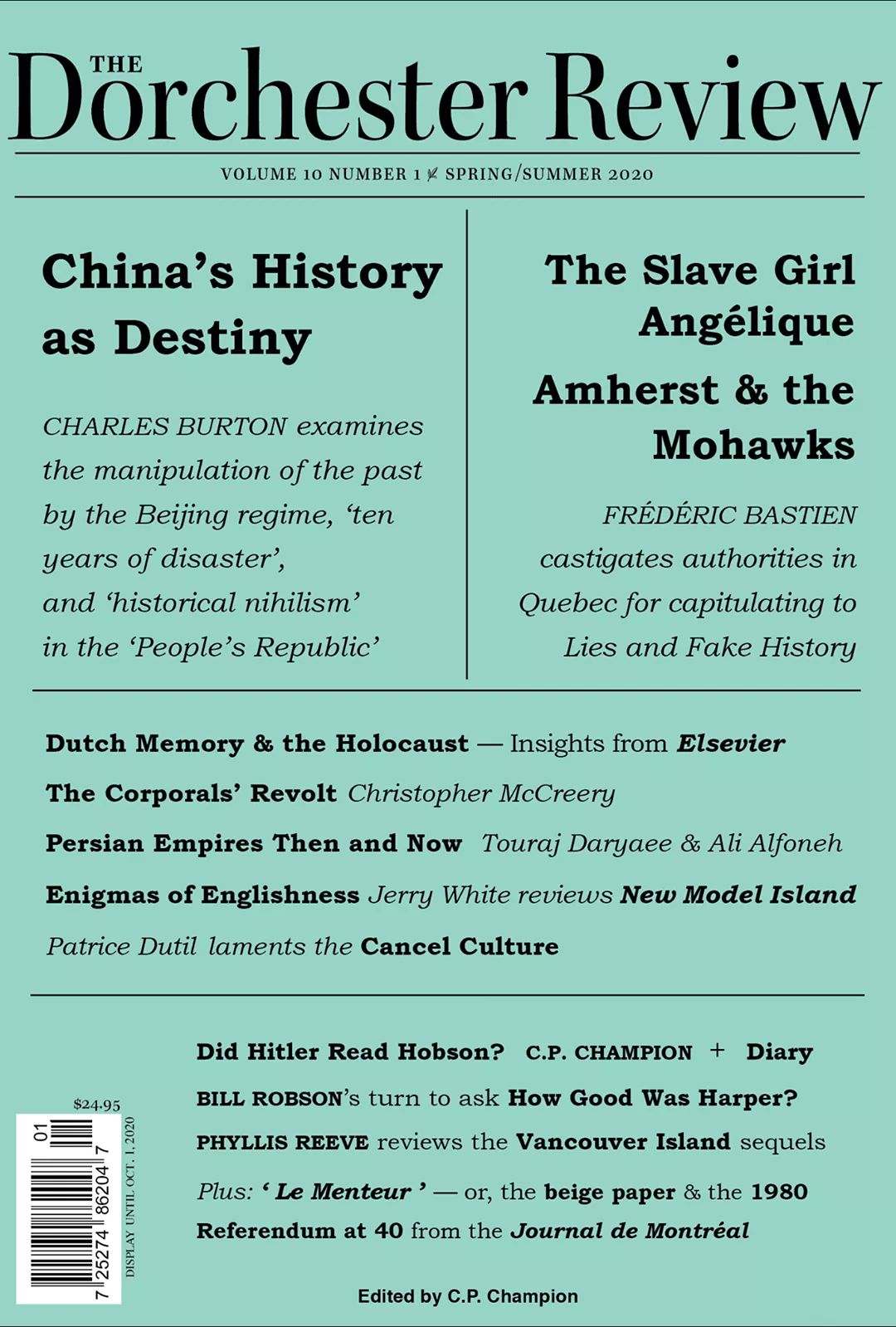
The latest issue of The Dorchester Review is now available online here once you subscribe here to receive physical copies of the magazine in the mail as well.
I contributed an article to this issue on a lesser known aspect of the career of the great 19th-century engineer Sir Sandford Fleming, who forged the steel links which bound the Dominion of Canada together through the Intercolonial Railway and the Canadian Pacific Railway, and who invented Time Zones and Standard Time. In 1892, Fleming advocated for parliamentary and electoral reform, and reformers have followed his blueprints unwittingly ever since, both in terms of the content of their reforms and the hectoring, moralistic tone with which they have advocated for abolishing majoritarian electoral systems.
During the lead up to the presidential election in November 2004, some of my Democratic peers in Anchorage claimed that they would emigrate to Canada if George W. Bush won re-election. Of course, since we were only high school students at the time, none of them made good on these musings after Bush did indeed win a second. In November 2004, CBC News corroborated the idle talk that I heard and distinctly recall from that era and reported that the Government of Canada’s immigration website received its most dense traffic up to that point, with most of the hits coming from the United States.[1] Democrats similarly began rumbling about emigrating to Canada in 2016 after Donald J. Trump became the Republican nominee, and the threats reached a fever pitch after his unexpected victory in November 2016.

Whenever Canadian journalists get bored or run out of other things on which to write, they often engage in idle speculation about snap elections. This time John Ivison of The National Post became Patient Zero in this latest strain of Snap Election Fever on 6 May, followed the next day by Susan Delacourt of the Toronto Star. Philippe Fournier of Maclean’s (who, I’m told, is an astrophysicist and not a journalist per se) joined in with another forceful intervention on 24 May.
All this culminated in a fit of circular logic on 27 May when reporters asked Prime Minister Trudeau about a snap election based on the speculation that their colleagues had created in the first place earlier this month. CTV News quote the Prime Minister:
 James Bowden's Blog