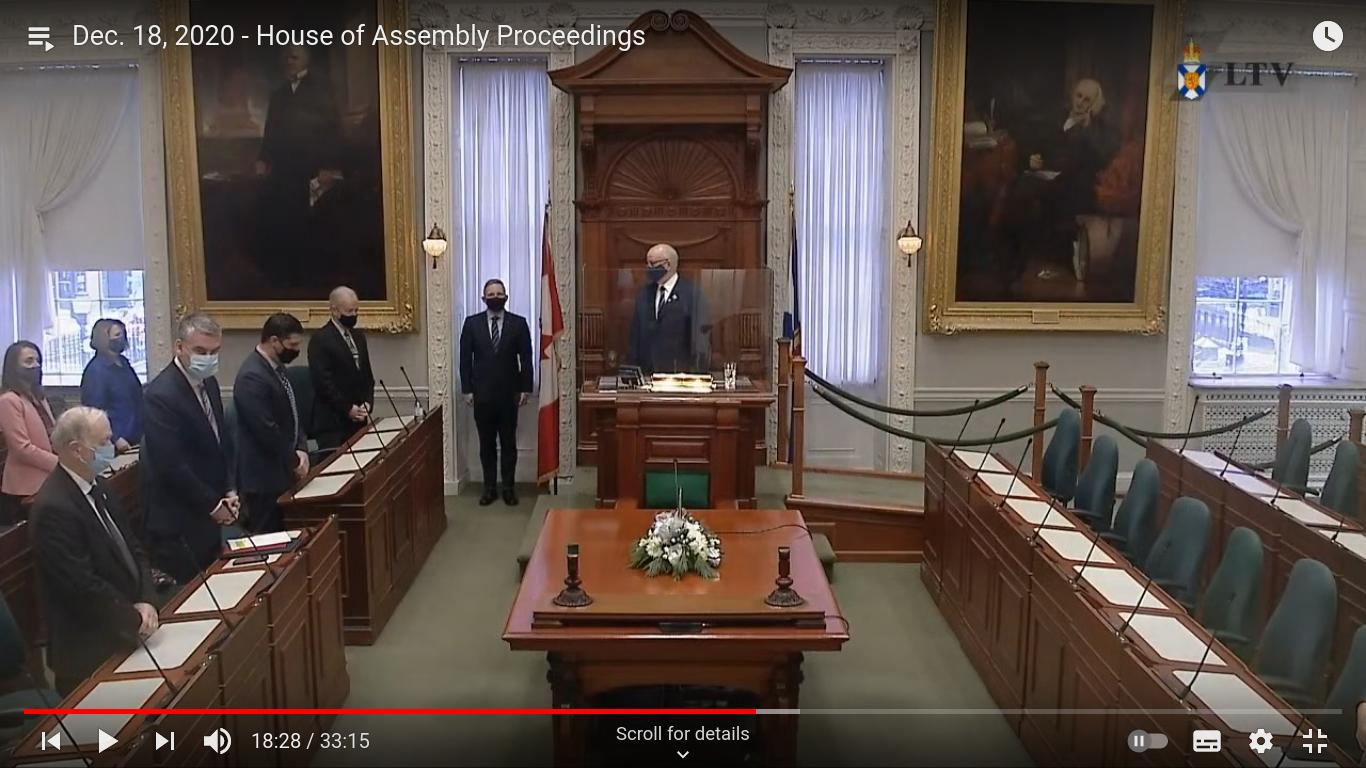
Prorogation by Speech from the Throne Qualifies as a “Sitting”
On 18 December 2020, prorogation once again provoked some controversy in Canada – but this time for a different reason which might surprise you.

Prorogation by Speech from the Throne Qualifies as a “Sitting”
On 18 December 2020, prorogation once again provoked some controversy in Canada – but this time for a different reason which might surprise you.

Introduction
In January 2021, Julie Payette resigned the Office of Governor General in disgrace. Her troubled tenure has shattered the credibility of the institution and provided anti-monarchists a greater platform on which to stand than they ever dared hope. In “A Star Goes Supernova,” I reviewed three years’ worth of newspaper reports which chronicled from 2018 to 2020 her steadfast refusal to carry out her constitutional and ceremonial duties and the toxic culture of harassment and recrimination which she brewed at Rideau Hall, leading to mass resignations, insincere and mendacious non-apology apologies, and, ultimately, to a damning independent report that proved her downfall. Payette’s resignation broke new ground in Canada but has precedents elsewhere in our sister Commonwealth Realms. In this piece, I will explain what happens when the Office of Governor General becomes vacant, review similar precedents in the other Realms where other Governors have resigned their offices, and show how we avoided an even messier and less edifying fate of dismissal.

This week, we have seen the departure of a disgraced, self-serving petulant bully who left executive office with one last closing salvo of bitter recrimination and disavowal of personal responsibility for having created a toxic, dysfunctional workplace that showed absurdly high levels of turnover and waves of mass resignations.
And we also witnessed President Trump leaving the White House one last time.
Julie Payette marked her tenure as Governor General of Canada by oscillating between long bouts of lassitude punctuated by periods of immense controversy and heightened media scrutiny. Payette melted down Rideau Hall into a toxic workplace, systematically drove out the most experienced staff, and reduced those who remained to quotidian bouts of tears of frustration.
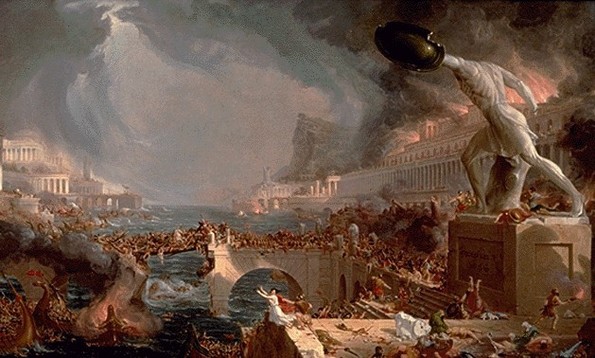
Peaceful transitions of power between governments form the bedrock upon which the edifice of liberal-democratic self-government rests. Since the elections in 2000 and Al Gore’s concession speech, I have witnessed many American politicians deliver cloying speeches about peaceful transitions of power, which seemed both shamelessly self-congratulatory – as if no other democratic country in the world had ever performed such a feat – as well as manifestly redundant. These speeches seemed so nauseating and sentimental precisely because we all took for granted these peaceful transitions of power guided by the rule of law, conducted under the provisions of the US Constitution, and buttressed by unassailable democratic norms. Until recently, any other possibility remained the preserve of dictatorships abroad and utterly unthinkable in the United States of America. But it seems that Americans need to make a ritual of congratulating themselves upon such things when they happen properly, because Trump’s presidency, like a corrosive brine, has rusted out these once ironclad traditions and ground them into dust.
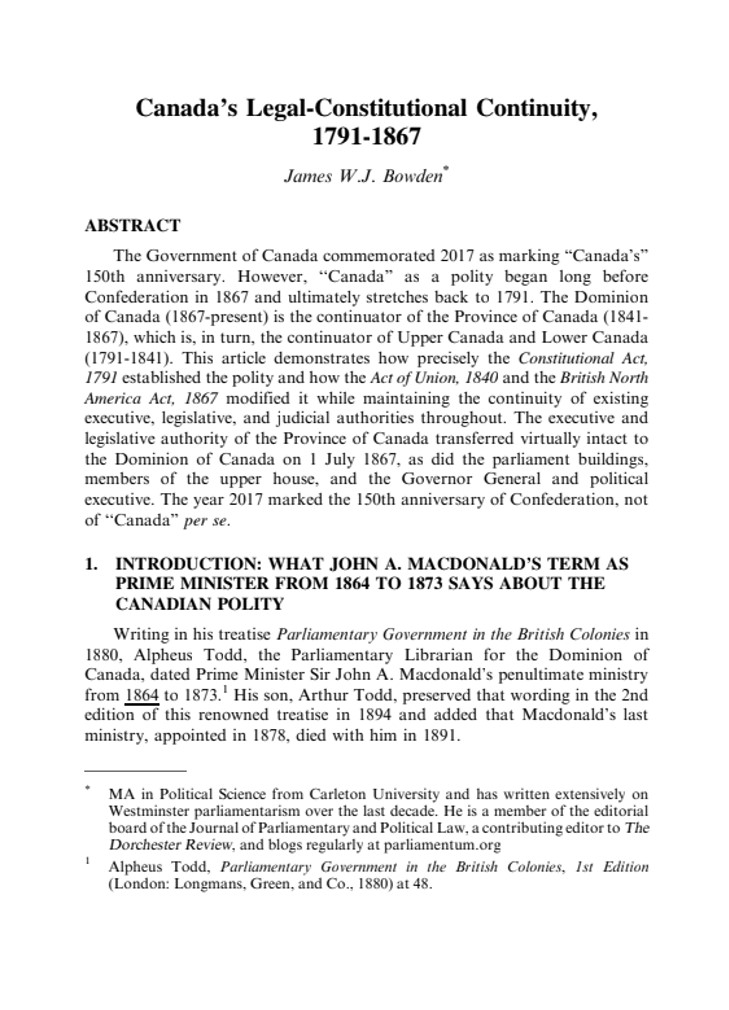
Some of you might be interested; some of you might not. The JPPL published an updated version of the paper that I first presented back in May 2017 at the Université de Montréal’s “Constitution at 150” conference.
 James Bowden's Blog