The Second Elizabethan Age Draws to a Close


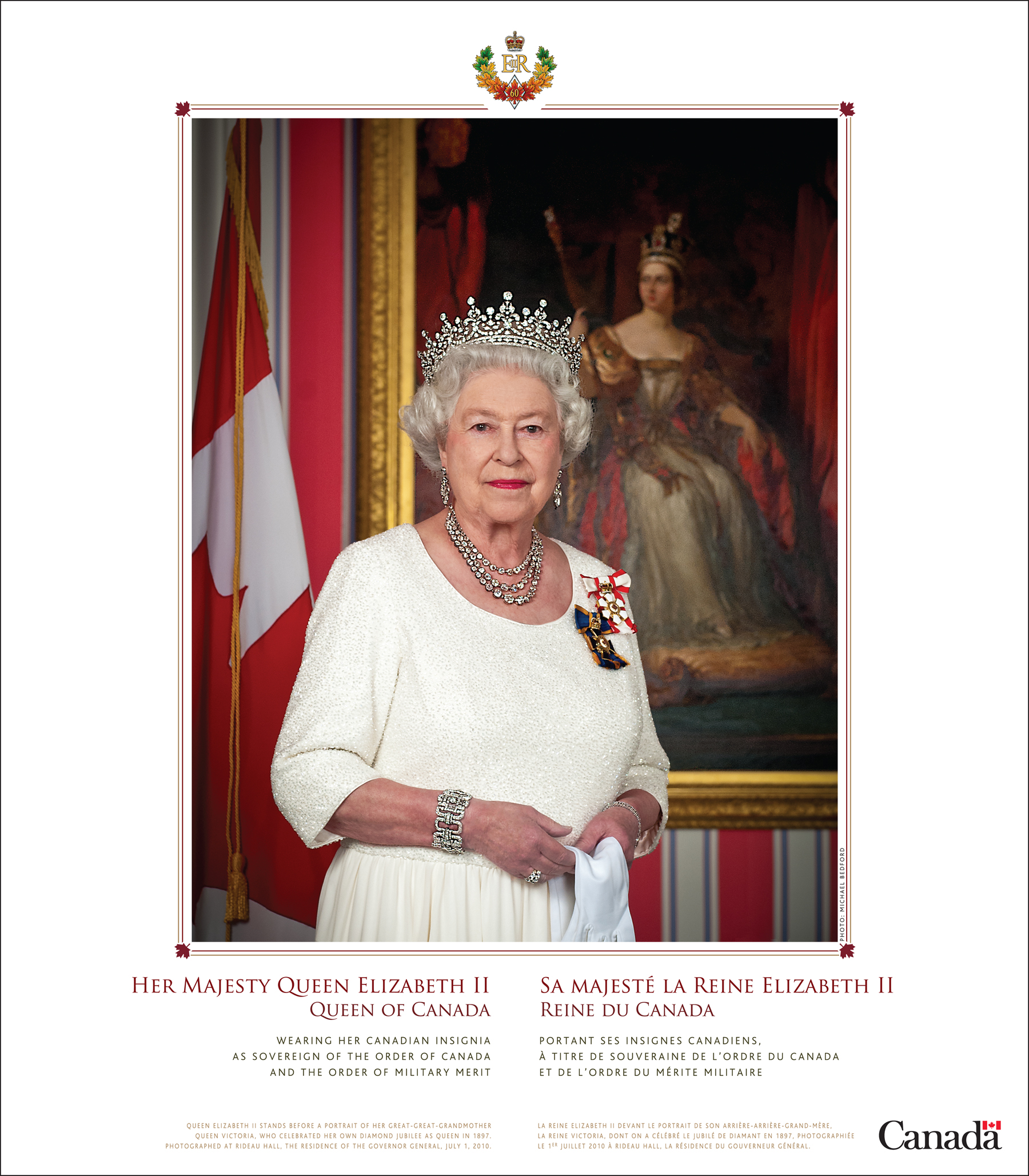
The British earlier this year celebrated the Platinum Jubilee earlier this year by planting trees to form part of “The Queen’s Green Canopy.”  The venerable oak represents strength, endurance, and continuity and seemed the most fitting way to extend the Queen’s Green Canopy on this side of the Atlantic. I selected a stout little Red Oak from Peter Knippel Garden Centre on Labour Day and received word around around 10:50 am Eastern Daylight Time this morning that it will arrive tomorrow. I had intended to plant this mighty oak this weekend in celebration of Her Majesty Queen Elizabeth II’s Platinum Jubilee and long glorious reign, but this oak shall now arrive under altogether different circumstances.

I shall have to plant this oak in commemoration of our late beloved Sovereign Elizabeth II and her remarkable reign instead, for the Second Elizabethan Age ended on 8 September 2022. She was the only sovereign that most of us and most of our parents have ever known. The oak, now small, holds the potential to grow strong and to endure for centuries, like the monarchy itself. The Palace has announced the ascension to the throne of His Majesty King Charles III. We shall say for the first time in 70 years God Save the King.
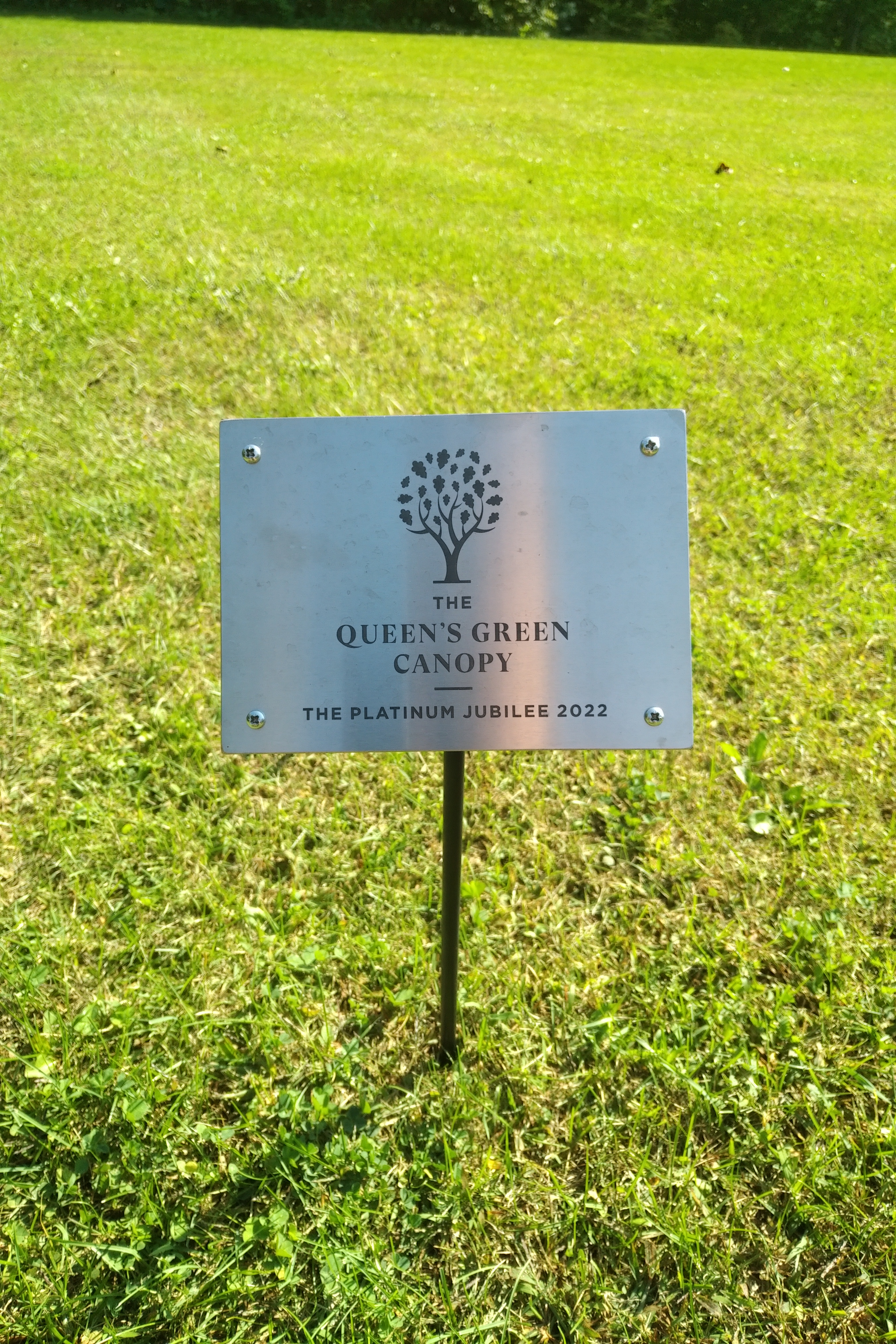
The British turned the Platinum Jubilee into an occasion to plant trees. This official commemorative plaque shall now mark a Red Oak in Ottawa.

The Red Oak in the foreground will soon commemorate Her Late Majesty Queen Elizabeth II

 

Continue reading →

Posted in Crown (Powers and Office), Succession (Sovereign) | 2 Comments

On Writing Well


Pierre Poilievre released a video this week on how he would table a Plain Language Bill to force the civil service to write better and make what it publishes easier to understand.

This will no doubt invite a lot of derision and criticism. For my part, I don’t like how Poilievre avoided the Oxford Comma. And if this odious Bureaucratese is an official language, then it has at least achieved the rank of proper noun and deserves a capital letter, for all its other faults. But Poilievre has a point, and his policy would mimic what the Cameron-Clegg ministry did in the United Kingdom in 2011-2012. The Government of British Columbia has also promised to write in English instead of Bureaucratese. The plague of Bureaucratese has, however, long since escaped the confines of the civil service and has infected all the knowledgeindustries.

Continue reading →

Posted in Random Thoughts | 2 Comments

Readjusting Electoral Districts in Federations: Malapportionment vs Gerrymandering


The decennial readjustment of the number of MP per province and establishing the boundaries of electoral districts for the federal House of Commons began in October 2021 and February 2022, respectively. Canadians often like to congratulate themselves for having eliminated gerrymandering from our political system, in contrast to the Americans who have honed it into a dark art. While we eliminated gerrymanding in Canada by delegating the task of re-establishing electoral districts to a series of independent federal electoral boundaries commissions in the 1960s, Parliament has deliberately maintained a significant malapportionment of MPs per province through three consecutive iterations of the Representation Formula have since 1985 which contain many exceptions to the principle of Representation by Population.

Continue reading →

Posted in Electoral Boundaries Readjustments | 2 Comments

Parliamentary Decorum and How Canadians Perceive Britons


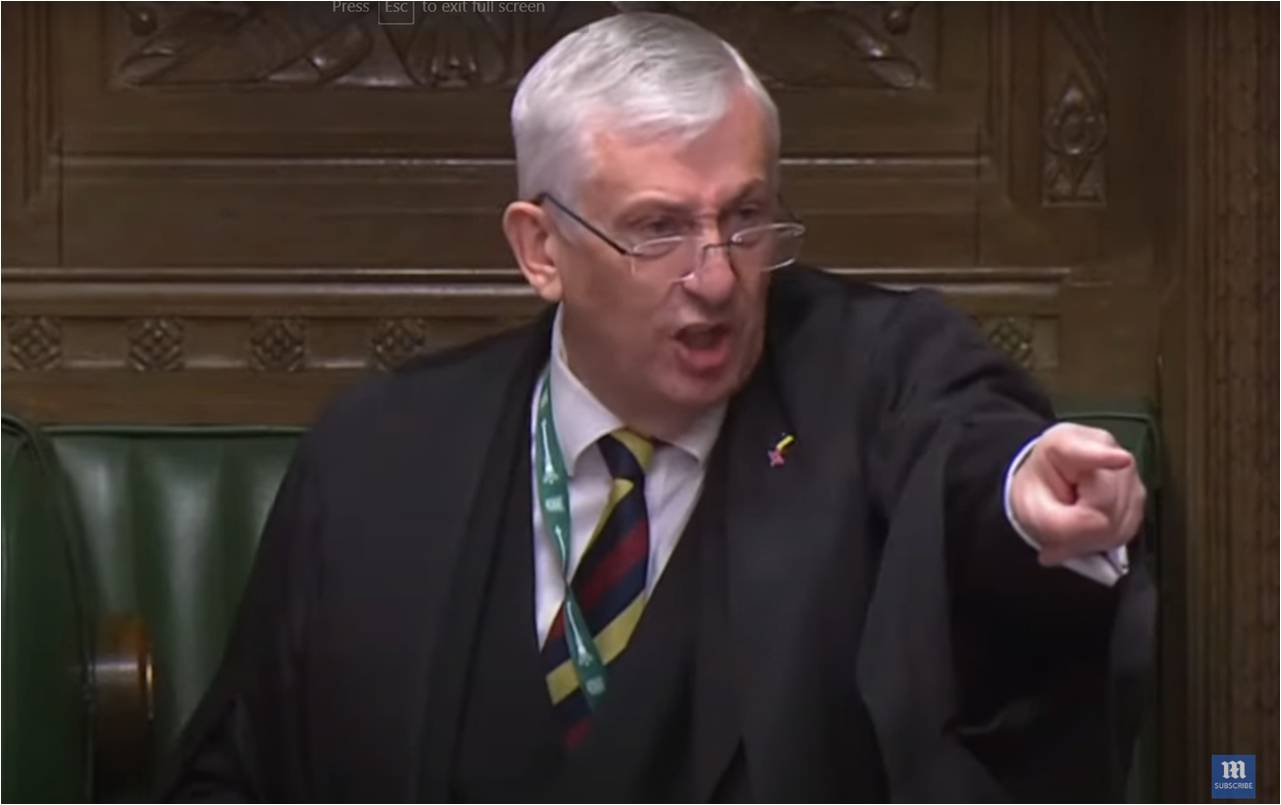
Earlier this year, I noted that the current Speaker of the British House of Commons, Lindsay Hoyle, does not enforce the Standing Orders properly and allows members to address one another in the second person unchecked, with entire flocks of “yous” flying around the chamber. Sir Keir Starmer and other Labour shadow ministers often address Boris Johnson in the vocative sense as “Prime Minister,” – second-person-adjacent, let’s say – instead of referring to “the Prime Minister” firmly in the third person. Hoyle needs to start enforcing the proper rules after the Commons returns from its summer recess in September.

Continue reading →

Posted in Decorum, Parliament | Leave a comment

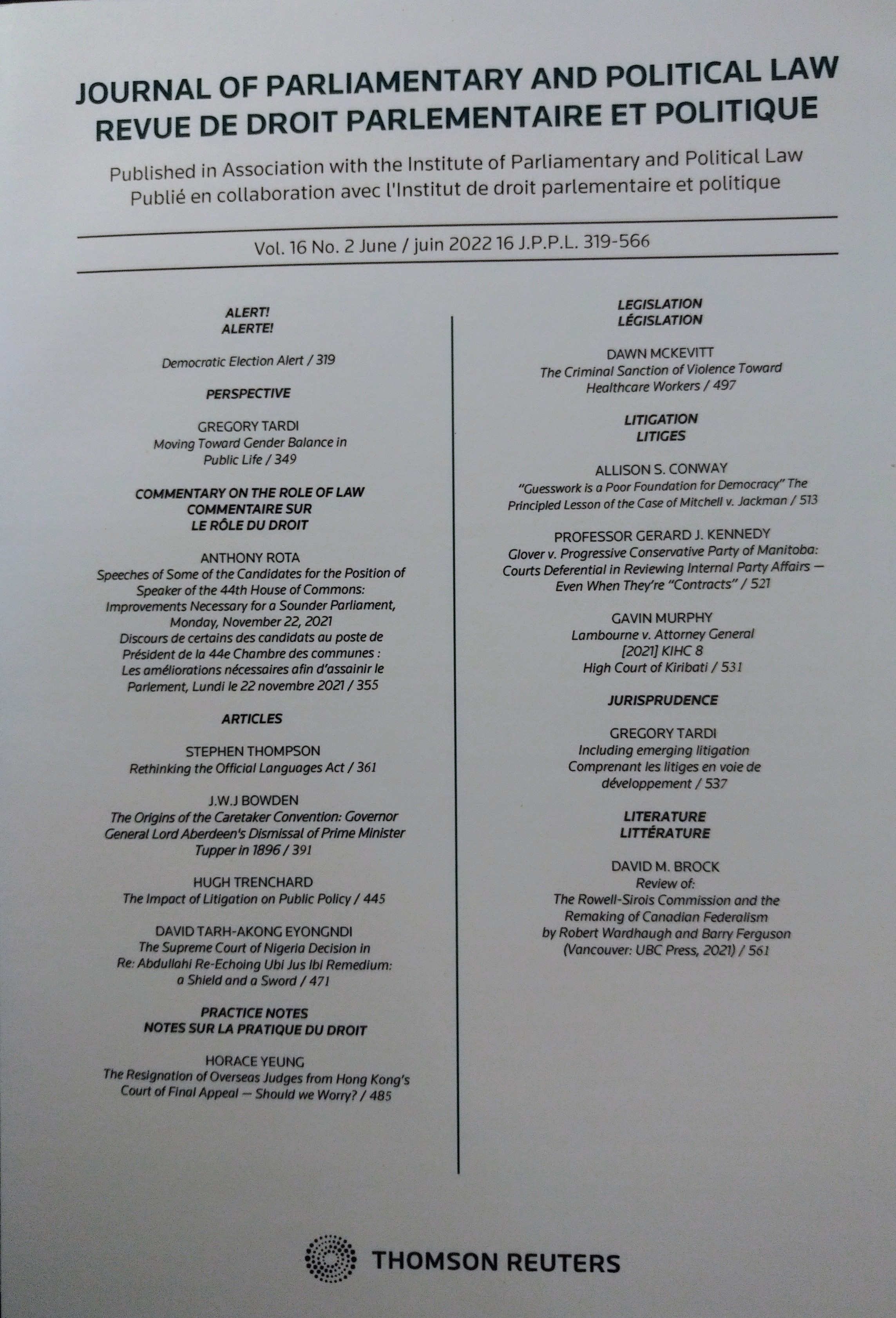
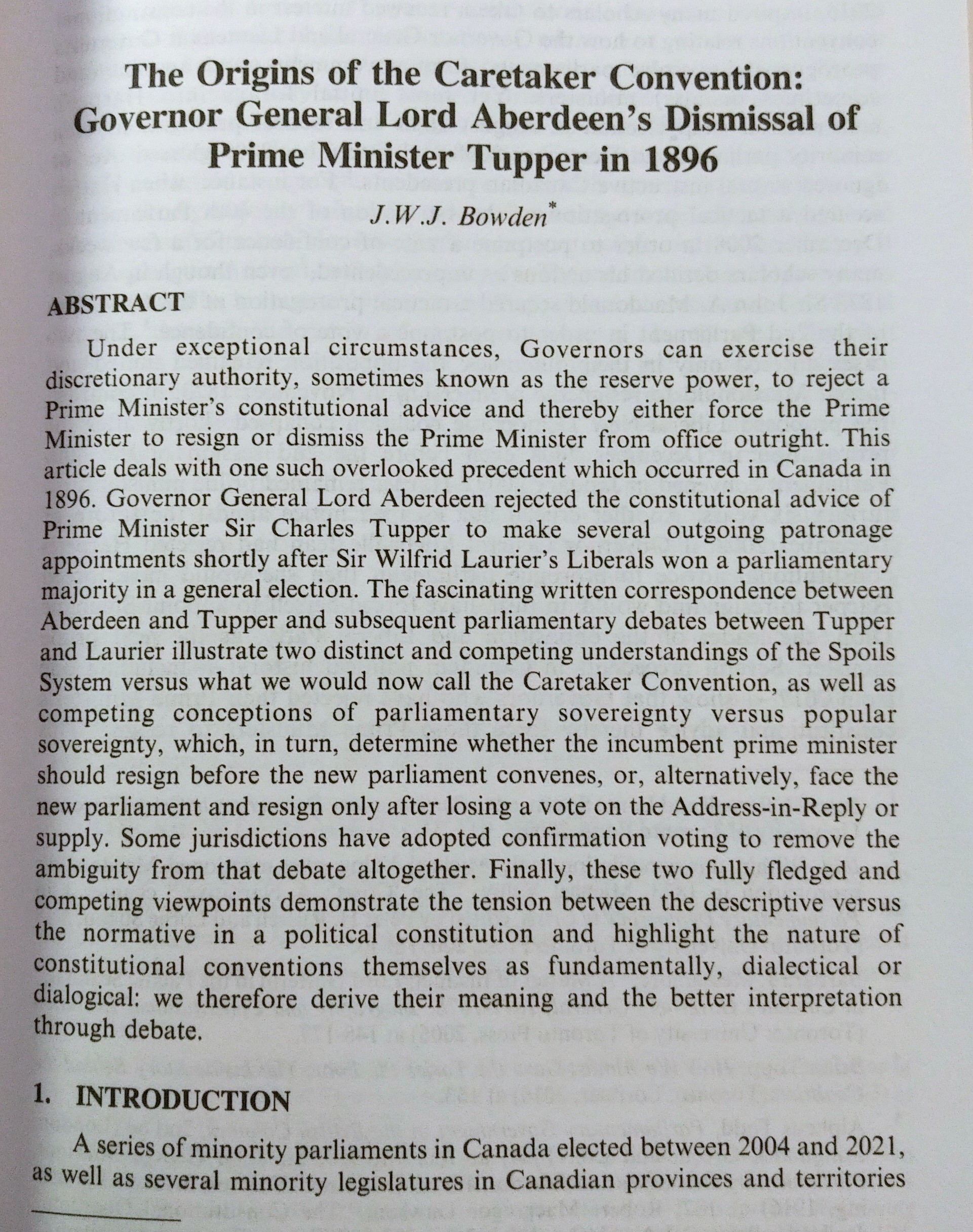
My Latest Article in the Journal of Parliamentary and Political Law: How Governor General Lord Aberdeen Reinforced the Caretaker Convention and Dismissed Prime Minister Tupper from Office


I first uncovered the correspondence in which Governor General Lord Aberdeen dismissed Prime Minister Sir Charles Tupper from office in July 1896 all the way back in 2012 while conducting research on something else. The documents have proven more fruitful and given me more ideas than I could ever have imagined at the time. But the material does not end with the correspondence between Aberdeen and Tupper. The Debates in the House of Commons between Tupper, then in opposition, and the new Prime Minister Sir Wilfrid Laurier, provided another fascinating take on these questions.

This latest article draws together all my analyses on this crucial precedent from 1896 with respect to the Caretaker Convention, when Governors General can dismiss Prime Ministers, the manner in which Governors General appoint Prime Ministers, whether Prime Ministers should resign so that the Governor General can appoint the new Prime Minister before a new parliament meets or not, and, more broadly, the nature of constitutional conventions themselves.

Bowden, J.W.J. “The Origins of the Caretaker Convention: When Governor General Lord Aberdeen Dismissed Prime Minister Tupper in 1896.” Journal of Parliamentary and Political Law 16, no. 2 (2022): 391-444.

Continue reading →

Posted in Appointment of PM, Caretaker Convention & Government Formation, Confidence Convention, Constitutional Conventions, Crown (Powers and Office), Governor General, Governor's Discretion | 2 Comments