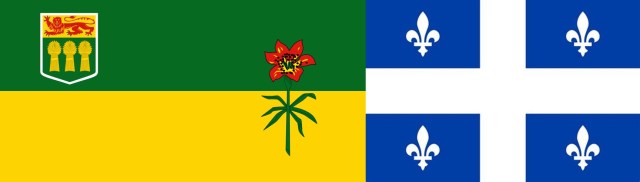
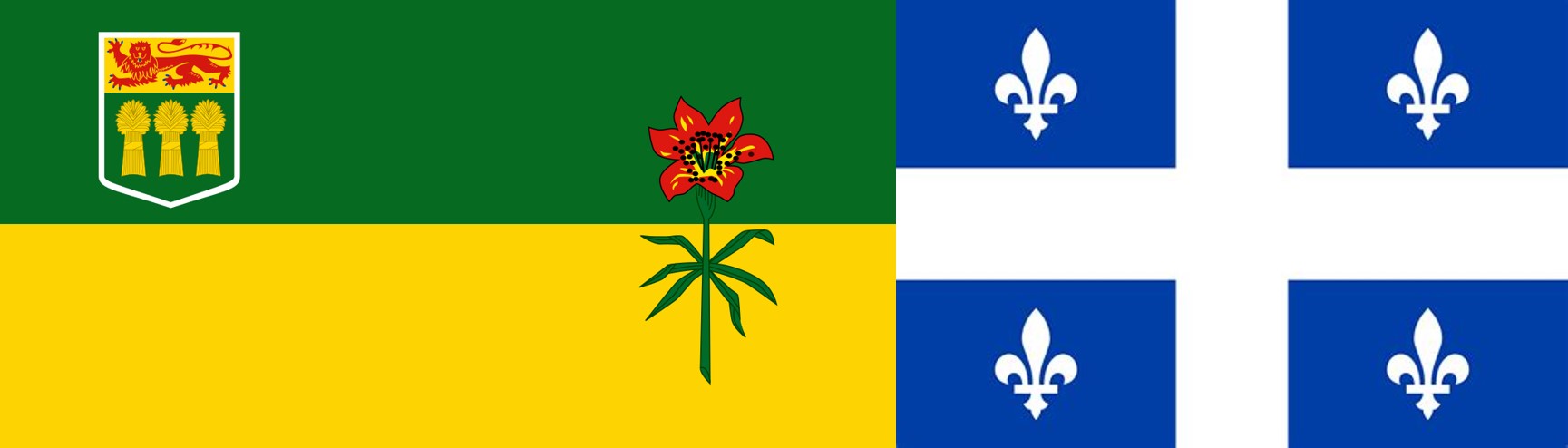
“A crocus and fleur-de-lis entwined.
Autonomism forever!:
François Legault’s Nationalist Autonomism
In 2021, the Government of Quebec began releasing its own “Administrative Consolidation of the Constitution Act, 1867 and the Canada Act, 1982” in 2021[1], which differed from and ostensibly rivalled the Department of Justice’s latest consolidation of the Constitution Acts issued in January 2021.[2] Quebec, for instance, rejected the federal Department of Justice’s long-standing practice of “indirect amendment,” where its lawyers modify the text of the Constitution Act, 1867 to what it ought to say based on statutes which have amended it by implication but not directly. In retrospective, it seems as if Quebec was laying the groundwork for another more ambitious project.
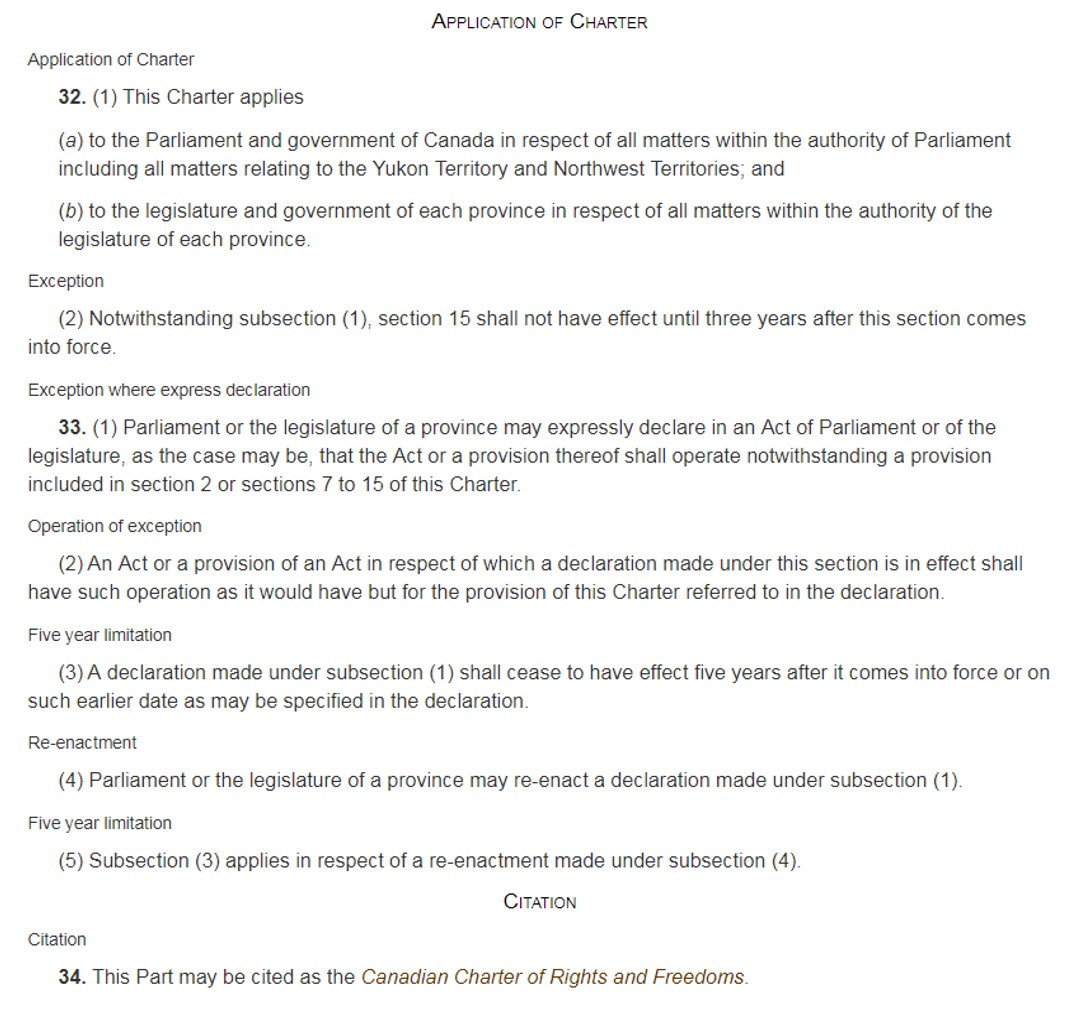
In June 2022, Quebec enacted an Act respecting French, the Official and Common Language of Quebec, which aims to bolster the French language and affirm the existence of Quebeckers as a French-speaking nation.[3] This statute also contains a significant constitutional innovation. The Legislature of Quebec used the Section 45 Amending Procedure (which allows provincial legislatures to alter their provincial constitutions) to insert new sections 90.Q1 and 90.Q2 directly into the Constitution Act, 1867 declaring, respectively, that “Quebeckers form a nation” and that “French is the only official language of Quebec and the common language of the Quebec nation.”[4] The “Q” in the two provisions stands for Quebec. Section 90 falls under Part V of the Constitution Act, 1867, which outlines “Provincial Constitutions.” Furthermore, the Government of Quebec swiftly issued the 2nd edition of its “Administrative Consolidation of the Constitution Act, 1867 and the Canada Act, 1982” to coincide with the enactment of Bill 96 into law on 1 June 2022.[5] An authoritative governmental consolidation of the Constitution Acts containing Quebec’s new provisions now exists as a reference.
Prior to 2022, provinces had only impliedly repealed or amended provisions in Part V of the Constitution Act, 1867 through organic statutes without necessarily invoking the Section 45 Amending Procedure. But Quebec charted a new course, and now Saskatchewan has built on Quebec’s precedent with a bold declaration of its own autonomy against Ottawa through the Saskatchewan First Act. Danielle Smith’s government in Alberta might follow a similar course in the coming weeks for the proposed Alberta Sovereignty Act.
Continue reading →

 James Bowden's Blog