Readjusting Electoral Districts in Federations: Malapportionment vs Gerrymandering


The decennial readjustment of the number of MP per province and establishing the boundaries of electoral districts for the federal House of Commons began in October 2021 and February 2022, respectively. Canadians often like to congratulate themselves for having eliminated gerrymandering from our political system, in contrast to the Americans who have honed it into a dark art. While we eliminated gerrymanding in Canada by delegating the task of re-establishing electoral districts to a series of independent federal electoral boundaries commissions in the 1960s, Parliament has deliberately maintained a significant malapportionment of MPs per province through three consecutive iterations of the Representation Formula have since 1985 which contain many exceptions to the principle of Representation by Population.
Continue reading

Posted in Electoral Boundaries Readjustments | 2 Comments

Parliamentary Decorum and How Canadians Perceive Britons


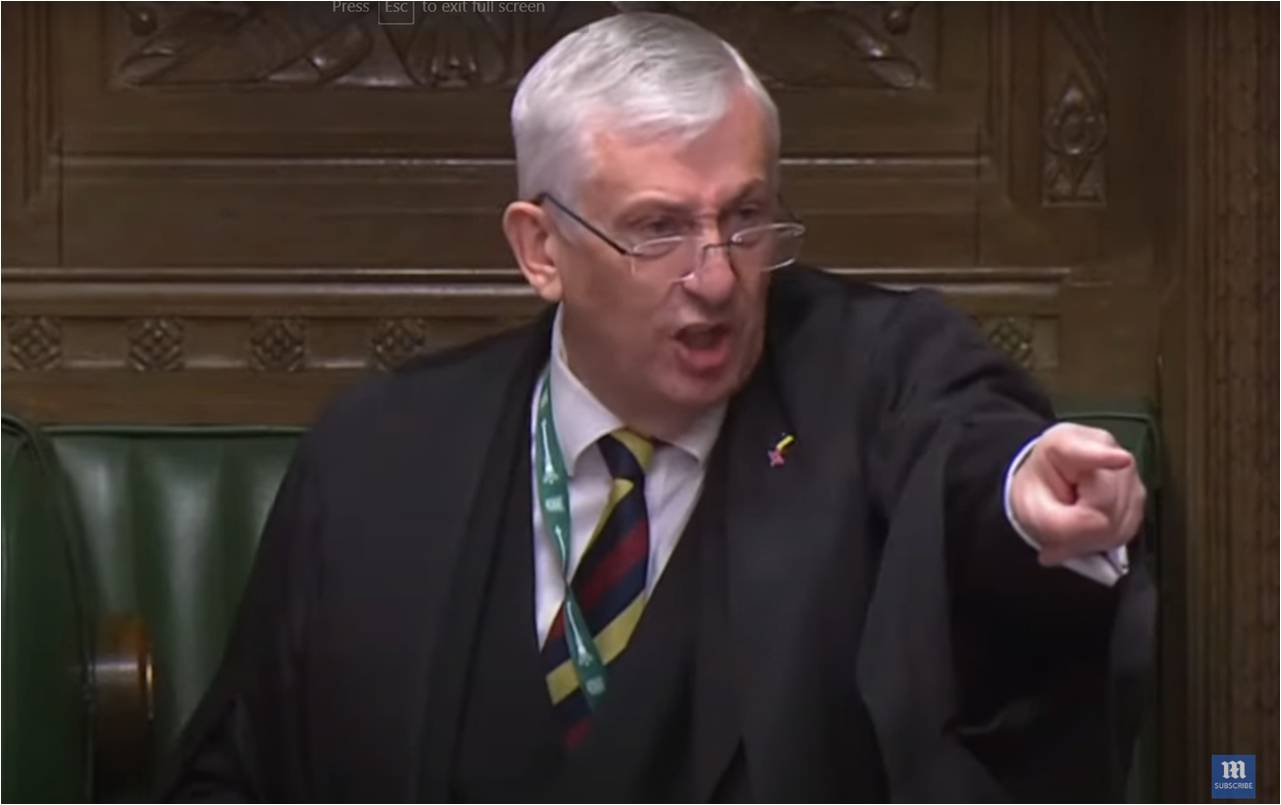
Earlier this year, I noted that the current Speaker of the British House of Commons, Lindsay Hoyle, does not enforce the Standing Orders properly and allows members to address one another in the second person unchecked, with entire flocks of “yous” flying around the chamber. Sir Keir Starmer and other Labour shadow ministers often address Boris Johnson in the vocative sense as “Prime Minister,” – second-person-adjacent, let’s say – instead of referring to “the Prime Minister” firmly in the third person. Hoyle needs to start enforcing the proper rules after the Commons returns from its summer recess in September.

Continue reading

Posted in Decorum, Parliament | Leave a comment

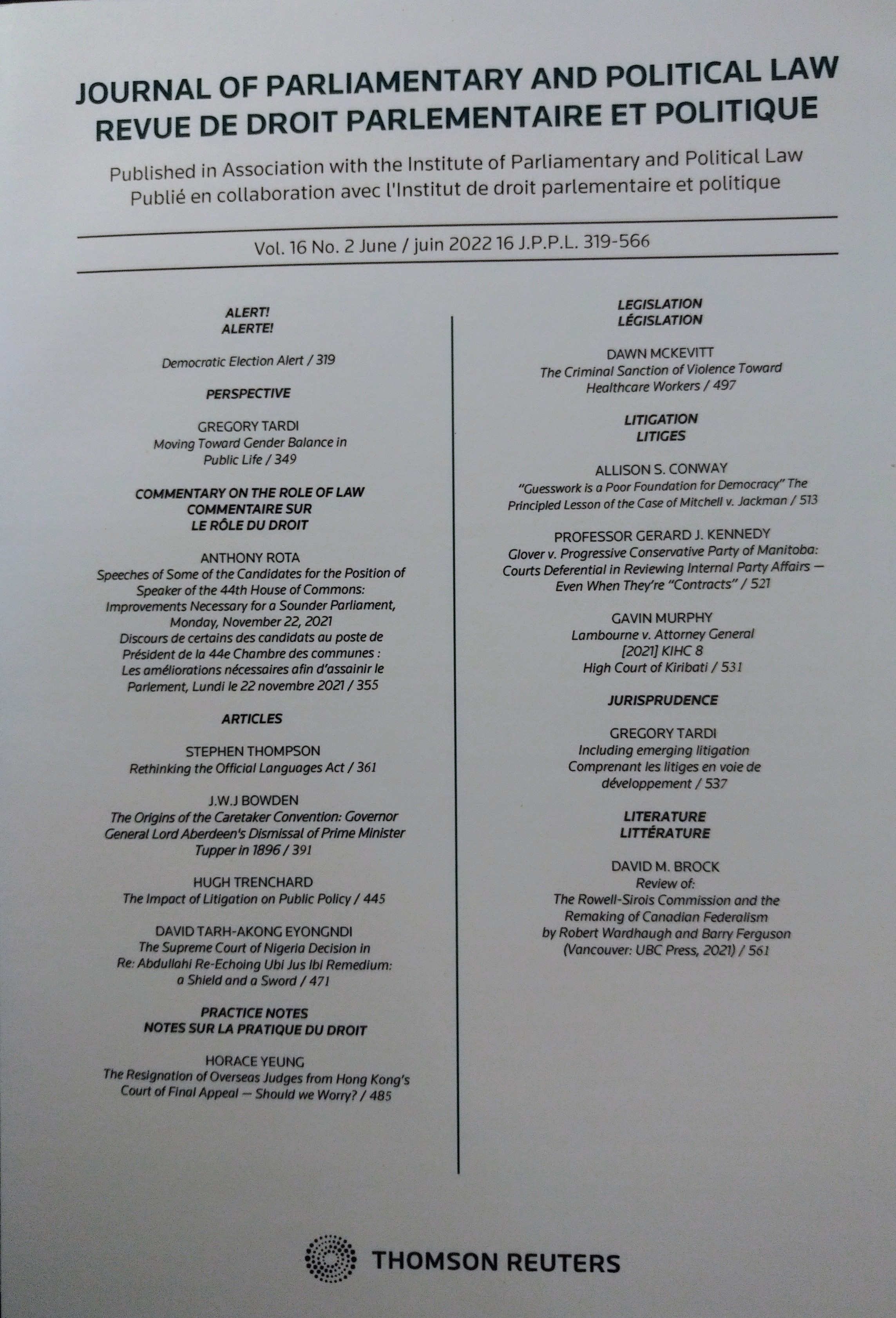
My Latest Article in the Journal of Parliamentary and Political Law: How Governor General Lord Aberdeen Reinforced the Caretaker Convention and Dismissed Prime Minister Tupper from Office


I first uncovered the correspondence in which Governor General Lord Aberdeen dismissed Prime Minister Sir Charles Tupper from office in July 1896 all the way back in 2012 while conducting research on something else. The documents have proven more fruitful and given me more ideas than I could ever have imagined at the time. But the material does not end with the correspondence between Aberdeen and Tupper. The Debates in the House of Commons between Tupper, then in opposition, and the new Prime Minister Sir Wilfrid Laurier, provided another fascinating take on these questions.

This latest article draws together all my analyses on this crucial precedent from 1896 with respect to the Caretaker Convention, when Governors General can dismiss Prime Ministers, the manner in which Governors General appoint Prime Ministers, whether Prime Ministers should resign so that the Governor General can appoint the new Prime Minister before a new parliament meets or not, and, more broadly, the nature of constitutional conventions themselves.

Bowden, J.W.J. “The Origins of the Caretaker Convention: When Governor General Lord Aberdeen Dismissed Prime Minister Tupper in 1896.” Journal of Parliamentary and Political Law 16, no. 2 (2022): 391-444.

Continue reading

Posted in Appointment of PM, Caretaker Convention & Government Formation, Confidence Convention, Constitutional Conventions, Crown (Powers and Office), Governor General, Governor's Discretion | 2 Comments

The Canada Day Specials


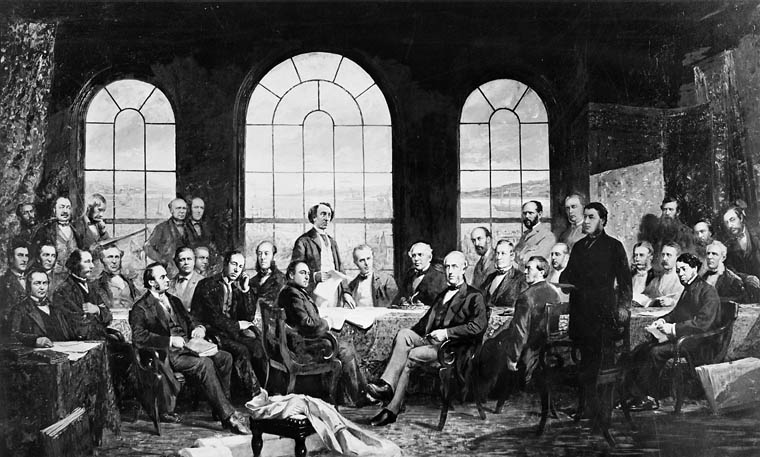
I’ve compiled a list of my articles and blogposts pertaining to the history of British North America, which you might find of interest this long weekend.

Continue reading

Posted in Dominion Day, History of British North America | 1 Comment

Who Decides What the Constitution Is and Says? Quebec Modifies the Text of the Constitution Act, 1867


Introduction

Law 96 has generated controversy and opposition amongst English-speakers in Quebec and, to a lesser extent, in the rest of Canada when the Legislature of Quebec enacted it last week for its provisions on language.

But it contains one other significant innovation which most of English Canada has overlooked. Through Law 96, the Legislature of Quebec enacted a constitutional amendment under the Section 45 Amending Procedure, which allows provincial legislatures to alter their provincial constitutions, and added two new sections directly to the text of the Constitution Act, 1867 as sections 90.1 and 90.2. Section 90 falls under Part V of the Constitution Act, 1867, the section on “Provincial Constitutions.”

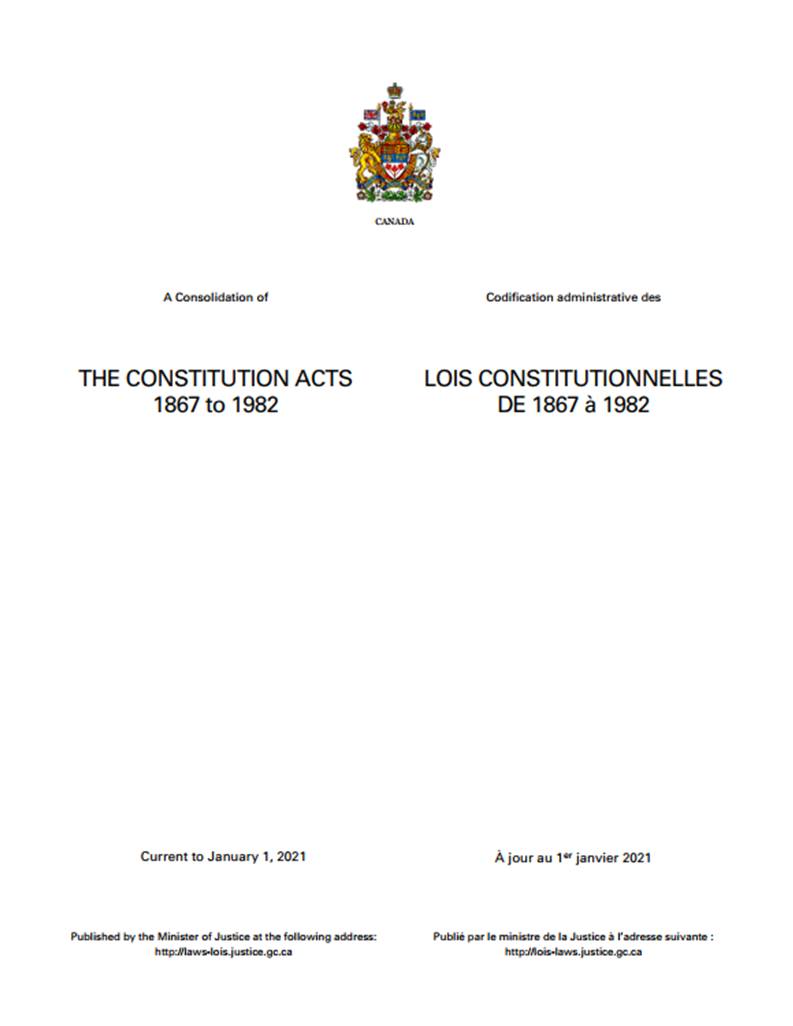
As far as I know, provinces have thus far only impliedly repealed or amended provisions in Part V of the Constitution Act, 1867 through organic statutes without necessarily invoking the Section 45 Amending Procedure by name. But Quebec’s legislature for the first time used the Section 45 Procedure to add provisions directly. Furthermore, the Government of Quebec has already updated its consolidation of the Constitution Acts, 1867-1982 to include these new provisions. The federal Department of Justice produced its most recent consolidation of the Constitution Acts, 1867-1982 in 2021. So it will be very interesting to see whether the federal Department of Justice recognises the legitimacy of these amendments when it produces its next consolidation in a few years.

We might no longer even be able to agree on what the Constitution Act, 1867 says.

Continue reading

Posted in Amending Formulas, Consolidations, Constitution (Written), Indirect Amendment | 2 Comments