How Would We Amend or Abolish the Oath of Allegiance to the King in the Constitution Act, 1867 ?


The Leaders’ Debate and the Demise of the Crown

During Radio-Canada’s leaders’ debate on 22 September 2022, the moderator Patrice Roy barely suppressed his own condescending laughter to ask the leaders of five political parties, “Should we still, in Quebec, swear allegiance to the British Crown, thus ‘Charles III’?” to become a Member of the National Assembly. He also noted that Québec solidaire (a left-wing secessionist party) had tabled legislation in the previous National Assembly to make swearing the oath optional.

Premier François Legault said that he wouldn’t mind studying the question and possibly making changes but that he did not regard it as a priority; Liberal leader Dominique Anglade and Conservative leader Éric Duhaime circumvoluted less elegantly and less succinctly to the same effect. But Paul St. Pierre Plamondon, the leader of the Parti Québécois, and Gabriel Nadeau-Dubois, the “male spokesperson” of Québec solidaire, denounced unambiguously what they regard as the absurdity of the oath, St. Pierre Plamondon on republican and secessionist principle and Nadeau-Dubois on the “because it’s 2022” teleology. No one on the stage seemed to take the oath of allegiance seriously, and even moderator Patrice Roy let out some incredulous chuckles whilst putting the question to the four party leaders and one male spokesperson.

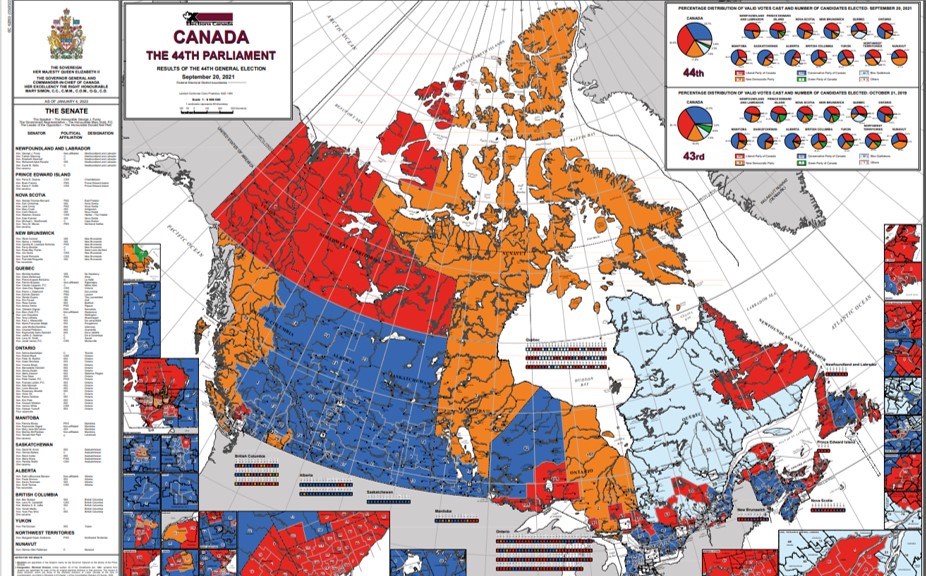
François Legault led his Coalition Avenir Québec to a second consecutive and even larger parliamentary majority on 3 October 2022, winning 90 out of 125 seats. And on 18 October, Legault rejected St. Pierre Plamondon’s unconstitutional idea of passing a simple motion that would permit the three Péquistes elected to take their seats in the National Assembly without swearing the oath of allegiance on the grounds that a mere motion of a legislative body cannot supersede a provision of the Constitution Act, 1867.[1] Being a lawyer himself, Paul St. Pierre Plamondon should already understand that concept.

Continue reading

Posted in Amending Formulas, Constitution (Written), Crown (Powers and Office), Oaths of Allegiance | 2 Comments

Fashionable Complaining about Single-Member Plurality


Sanjay Ruparelia’s column in the Globe and Mail today typifies the confused and contradictory discourse over electoral reform here in Canada. He joins Fair Vote Canada in perpetuating this absurd myth that majoritarian electoral systems encourage descent into authoritarian rule and in complaining that changes in government lead to what intellectuals and technocrats denounce as “policy lurch,” or what the rest of us call a change in policy between two political parties which hold different points of view.

Continue reading

Posted in Electoral Reform, Reform | Leave a comment

Bizarre and Uninformed American Views on Monarchy


This is what Americans like Conor Friedersdorf have in mind when they write erroneous opinion pieces on the Royal House of Windsor

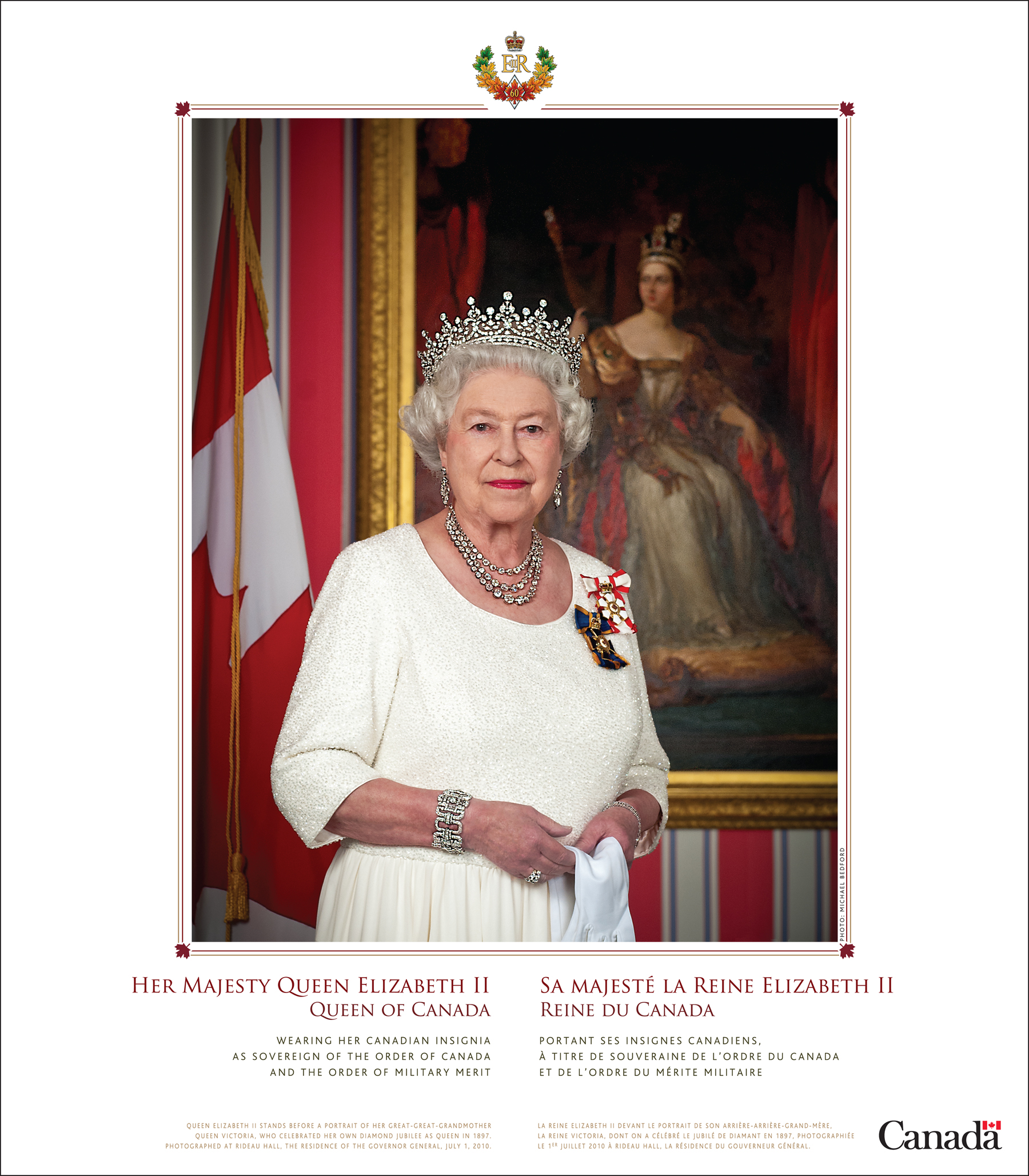
In general, I really wish that Americans would stop commenting altogether on the Royal House of Windsor, especially after the demise of Crown and the death of Her Late Majesty Elizabeth II of happy memory. Americans lost their standing and legitimacy to opine on any of these matters when they rebelled in the 1770s and should stop clumsily grafting their particular American narratives onto a system which they neither appreciate nor understand and which their ancestors expressly rejected. Americans obsess over the Royal House of Windsor – but only in a superficial, banal, and vulgar way. Our Royal Family satisfies their worship of celebrity and their gargantuan appetite for Disney-like kitsch. They see the Windsors as mere celebrities for their amusement and as objects of condescending comments about how “quaint” England looks.

Continue reading

Posted in Comparative, Parliamentarism v Presidentialism | 5 Comments

The Second Elizabethan Age Draws to a Close


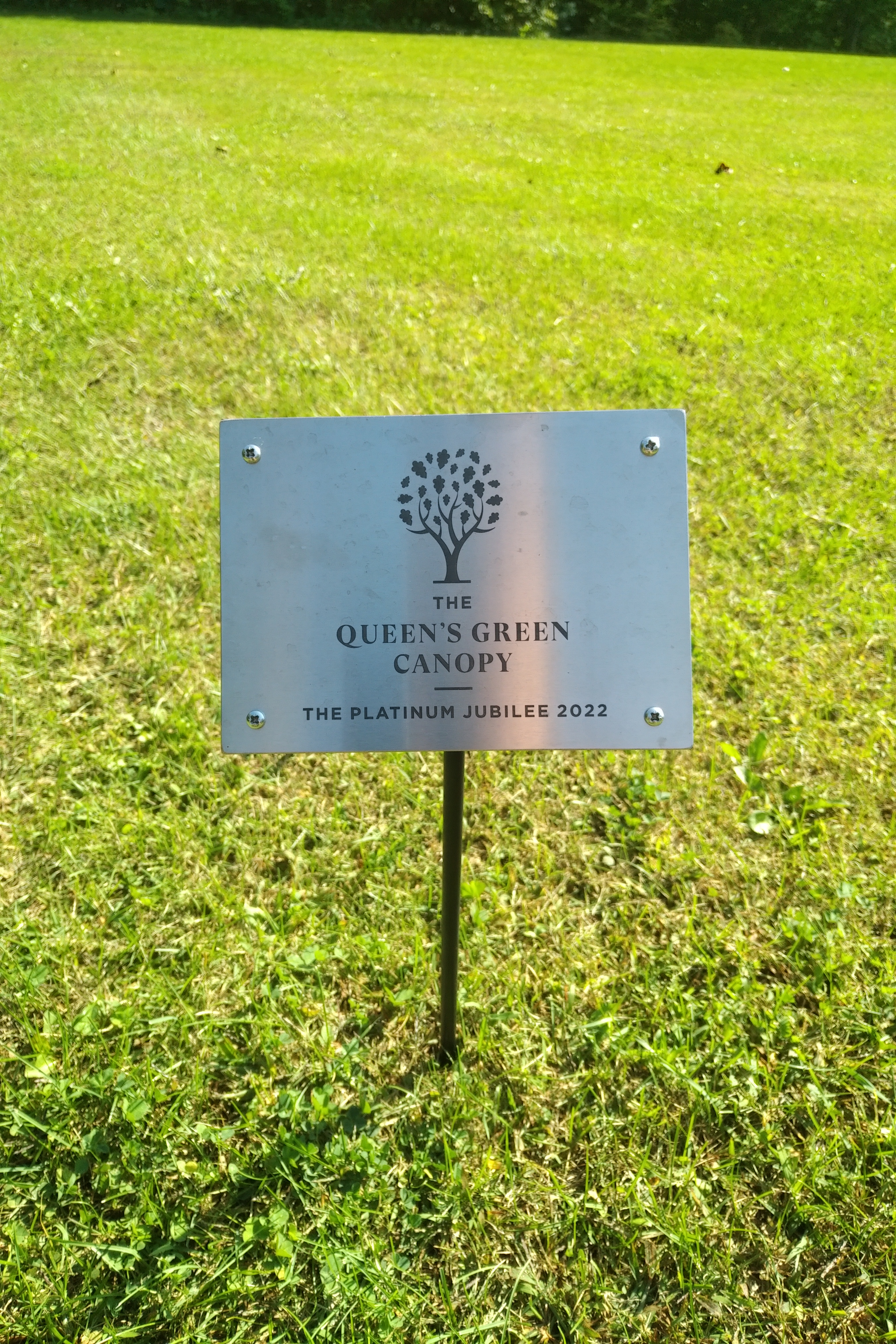
The British earlier this year celebrated the Platinum Jubilee earlier this year by planting trees to form part of “The Queen’s Green Canopy.”  The venerable oak represents strength, endurance, and continuity and seemed the most fitting way to extend the Queen’s Green Canopy on this side of the Atlantic. I selected a stout little Red Oak from Peter Knippel Garden Centre on Labour Day and received word around around 10:50 am Eastern Daylight Time this morning that it will arrive tomorrow. I had intended to plant this mighty oak this weekend in celebration of Her Majesty Queen Elizabeth II’s Platinum Jubilee and long glorious reign, but this oak shall now arrive under altogether different circumstances.

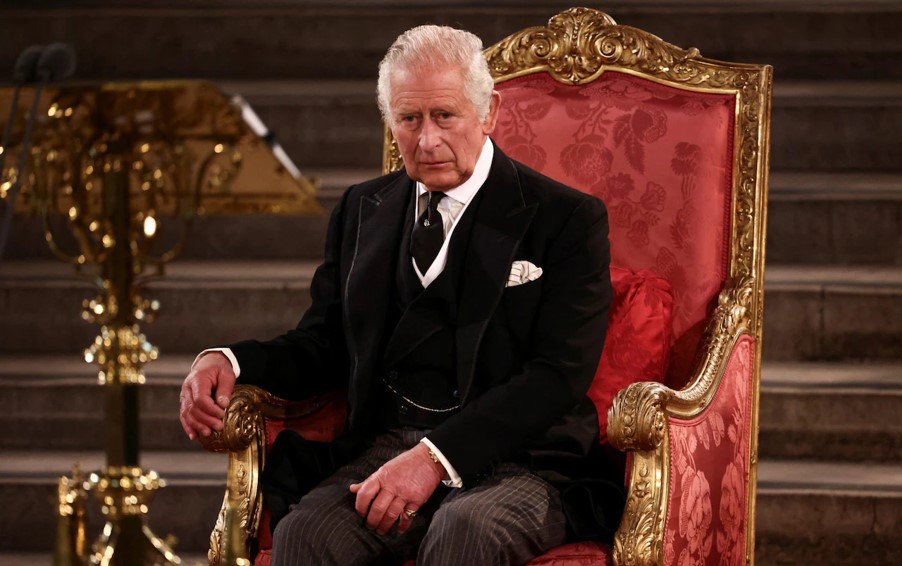
I shall have to plant this oak in commemoration of our late beloved Sovereign Elizabeth II and her remarkable reign instead, for the Second Elizabethan Age ended on 8 September 2022. She was the only sovereign that most of us and most of our parents have ever known. The oak, now small, holds the potential to grow strong and to endure for centuries, like the monarchy itself. The Palace has announced the ascension to the throne of His Majesty King Charles III. We shall say for the first time in 70 years God Save the King.

The British turned the Platinum Jubilee into an occasion to plant trees. This official commemorative plaque shall now mark a Red Oak in Ottawa.

The Red Oak in the foreground will soon commemorate Her Late Majesty Queen Elizabeth II


Continue reading

Posted in Crown (Powers and Office), Succession (Sovereign) | 2 Comments

On Writing Well


Pierre Poilievre released a video this week on how he would table a Plain Language Bill to force the civil service to write better and make what it publishes easier to understand.

This will no doubt invite a lot of derision and criticism. For my part, I don’t like how Poilievre avoided the Oxford Comma. And if this odious Bureaucratese is an official language, then it has at least achieved the rank of proper noun and deserves a capital letter, for all its other faults. But Poilievre has a point, and his policy would mimic what the Cameron-Clegg ministry did in the United Kingdom in 2011-2012. The Government of British Columbia has also promised to write in English instead of Bureaucratese. The plague of Bureaucratese has, however, long since escaped the confines of the civil service and has infected all the knowledgeindustries.

Continue reading

Posted in Random Thoughts | 2 Comments